
Neil Sedaka, Pop Hitmaker of the 1960s and ’70s, Dies at 86
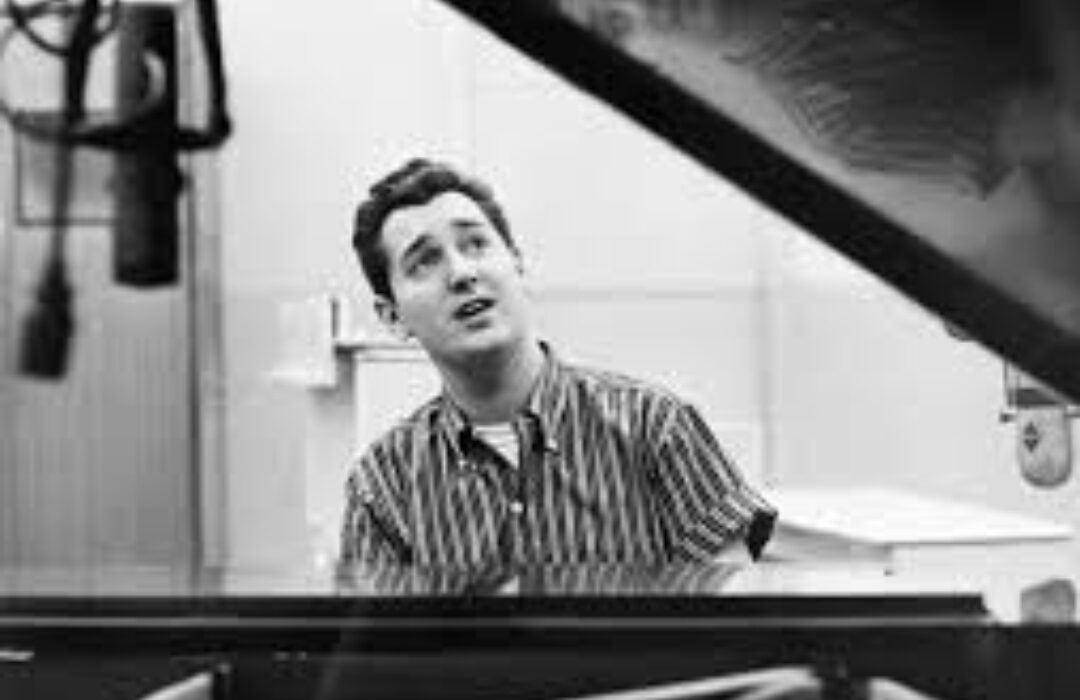
Neil Sedaka, the singer-songwriter whose bright melodies and unmistakable high tenor helped define early American pop music, has died at the age of 86. His family confirmed his passing on Friday, describing him as not only a rock and roll legend but also a devoted husband, father, and grandfather.
No additional details about the cause of death were immediately released.
A Voice That Shaped Early Rock and Roll
Sedaka rose to fame in the late 1950s and early 1960s with a string of chart-topping hits that captured the innocence of pre-Beatles American pop. Among his most enduring songs are:
“Breaking Up Is Hard to Do”
“Happy Birthday Sweet Sixteen”
“Calendar Girl”
“Oh”
As a key songwriter in New York’s famed Brill Building, Sedaka partnered with lyricist Howard Greenfield to craft teen anthems that dominated Top 40 radio. Their collaboration became a defining force in the post-Elvis, pre-Beatles era of American music.
A Remarkable Comeback in the 1970s
After a period out of the spotlight, Sedaka staged one of pop music’s notable comebacks in the 1970s. He returned to the charts with major hits including:
“Laughter in the Rain”
“Bad Blood”
His songwriting success also extended to other artists. “Love Will Keep Us Together,” performed by The Captain & Tennille, became a No. 1 hit in 1975 and won a Grammy Award, cementing Sedaka’s influence on the decade’s pop sound.
From Brooklyn to Global Stardom
Born in Brooklyn’s Brighton Beach neighborhood, Sedaka trained at the prestigious Juilliard School. The son of a taxi driver, he began performing as a teenager and maintained an active touring schedule well into his 80s.
Over the course of his career, Sedaka sold millions of records worldwide. His songs were recorded by legendary artists including Elvis Presley and Frank Sinatra, underscoring the timeless appeal of his songwriting.
Sedaka once reflected on his longevity by saying, “It’s nice to be a legend, but it’s better to be a working legend.”
For more than six decades, he lived up to those words — remaining not just a celebrated name in music history, but a performer who never stopped doing what he loved.